Fairtrade: Sri Lankan Estate Suspended For Three Months.

Comment from Secretary General, Judith Kyst from Fairtrade/Max Havelaar in Danish daily, Information

The dream of the perfect is often the worst enemy of good.

The journalist Tom Heinemann continues his hunt on Fairtrade. The question is, who it really is beneficial for.

Last week, Information printed a new comment from journalist Tom Heinemann. Again Heinemann argues that Fairtrade does not make a difference in the tea plantations in Sri Lanka and that Fairtrade does nothing to improve its system. Both are wrong.

IMG_7468

Heinemann believes that there should be more progress out on the plantations. We agree, but as I have previously argued, it requires that there should be sold more Fairtrade tea.
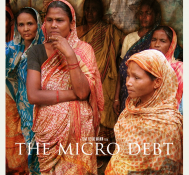
Because the sale is in direct proportion to the improvements that can be made. That is the Fair Trades logic and restraint. But the mother, who was able to give her children an education because of microcredit from Fairtrade means giving Heinemann’s “all or nothing’ philosophy makes little sense.

Fairtrade also makes much of constantly developing our system. There is no doubt that we will be even better to support the workers, so the democracies, yet only in their infancy, can function better. But again, because the attempt to establish a democracy in a post-colonial context is not without fault, is it equally significant in that it will completely fail? We must also work with cooperatives, which are the cornerstone of Fairtrade, but should the many plantation workers are left without any attempt to improve their lives step by step?

Things take time

Since the broadcast of ’The bitter taste of tea’ was sent in autumn 2008, Max Havelaar promised to look at whether there needs to be adjusted in the control system, including the number of unannounced inspections. The debate is currently in the Fairtrade system. And it is a technical discussion: we must do what works best, not just what is urgently makes journalists or others happy. Possibly a half or full year’s professional considerations seem long, but there it is now, when you work in an international democratic system, which includes representatives from the workers and peasants, as it is all about, is helping to decide rate.

Fairtrade is not in the pockets of plantation management, which Heinemann argues. I would like to make an actual example. The Greenfield plantation in Sri Lanka is currently suspended from Fairtrade because the estate has not addressed the remarks given by inspectors. Over the next three months, these thing has to be put right. If the management doesn’t do something serious about this, the estate risks to be thrown completely out of the system.

Please come, Heinemann

Heinemann mentions a number of other problems in the plantations, whose names he did not divulge. If he really wants to help the workers, it would be constructive to Heinemann came to Fairtrade organizations with this information. Then I will promise that they will be investigated.

And it is clear that there will always be problems when working with development among the world’s poorest workers. There will always be gaps and things that have not been addressed 100 percent. up. So when Heinemann or other journalists return to the plantations, they will also experience this. For those of us who work with Fairtrade, there will not be a juicy ‘disclosure’ but instead a proof that the conditions in the ‘global south’ has not changed over night.

That’s the conditions, and you have to accept the premise.
As a friend said to me the other day: The dream of the perfect is often the worst enemy of good.

One Response to “Fairtrade: Sri Lankan Estate Suspended For Three Months.”

  1. gooya says:

    Thank you for all your work. I know Dilmah, based in Sri Lanka, says it does ethical trade. Is it any better or is it only marketing?

Leave a Reply